Grips
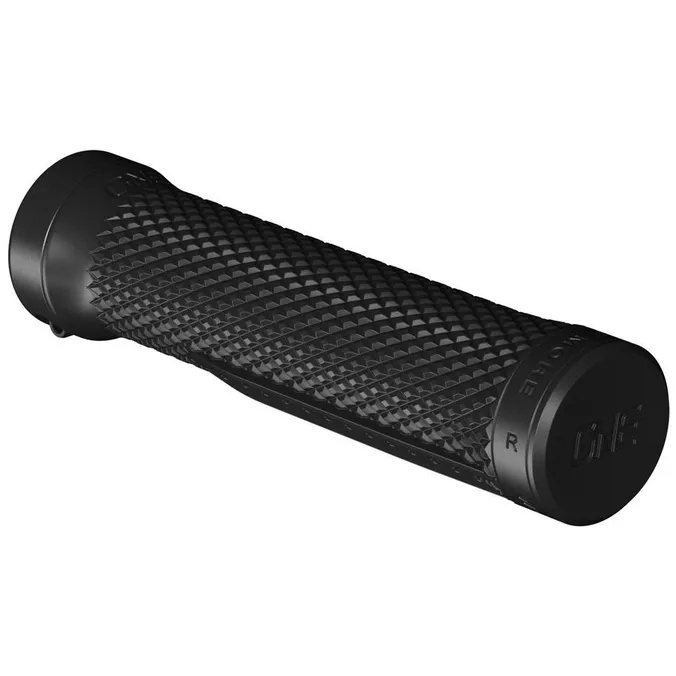
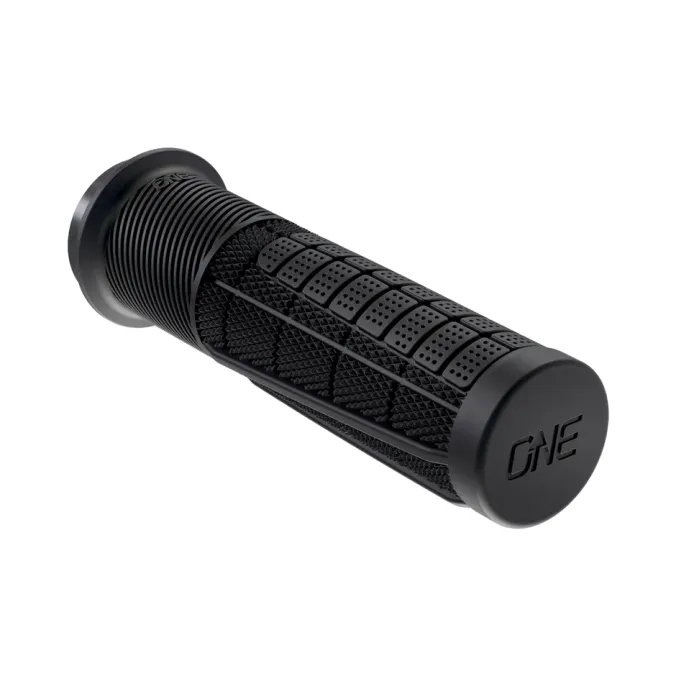
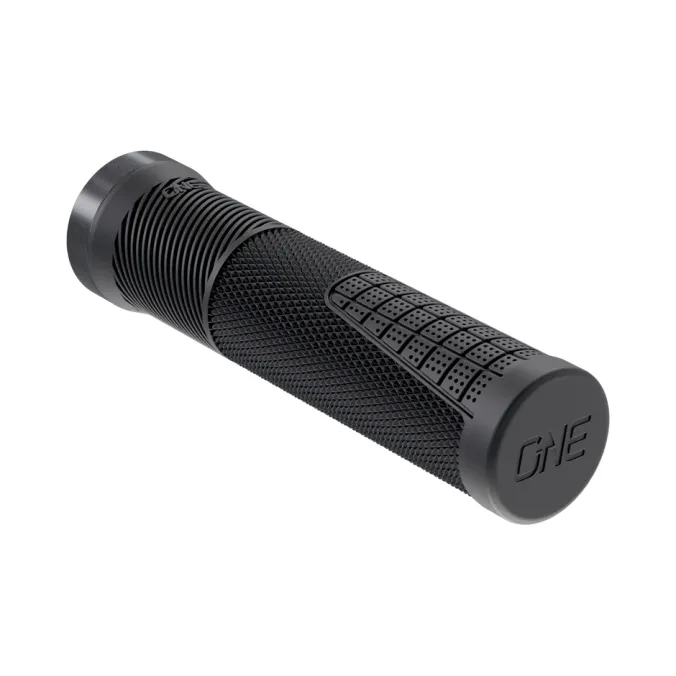
OneUp Grips
$33.00
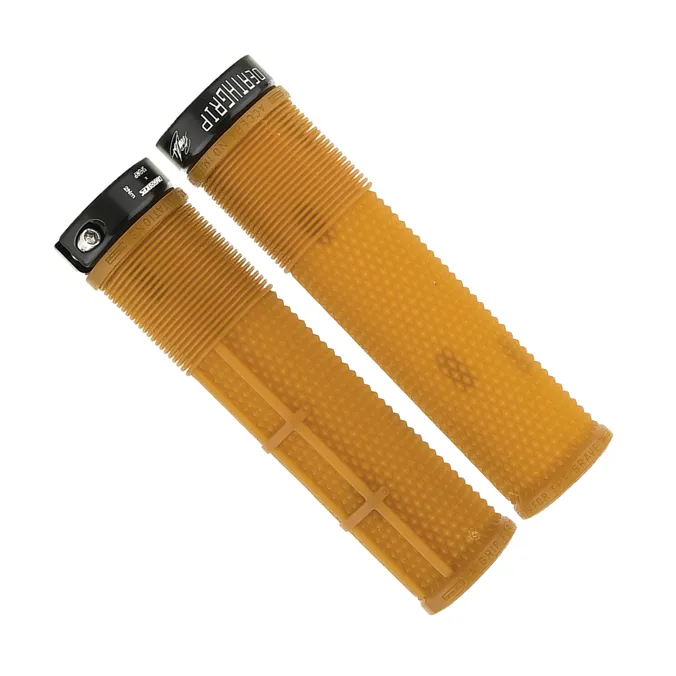
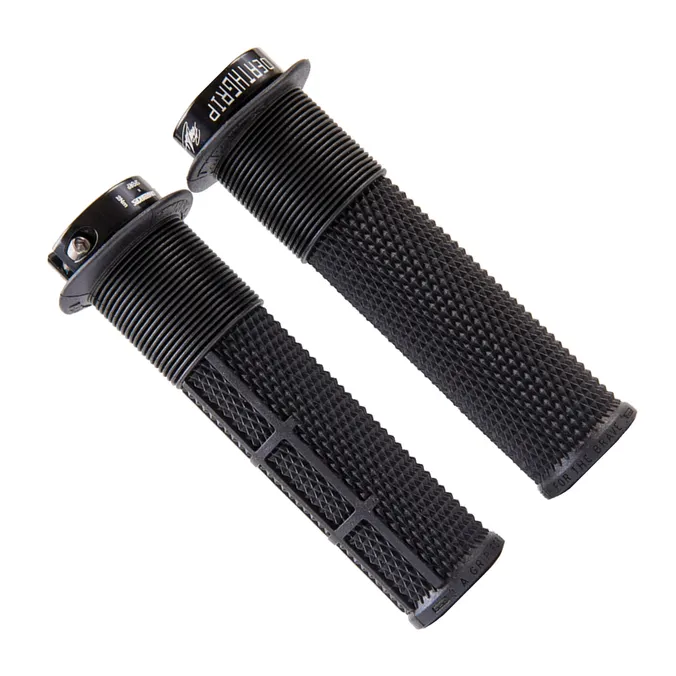
DMR Deathgrip Soft Flangeless Grips
$42.00
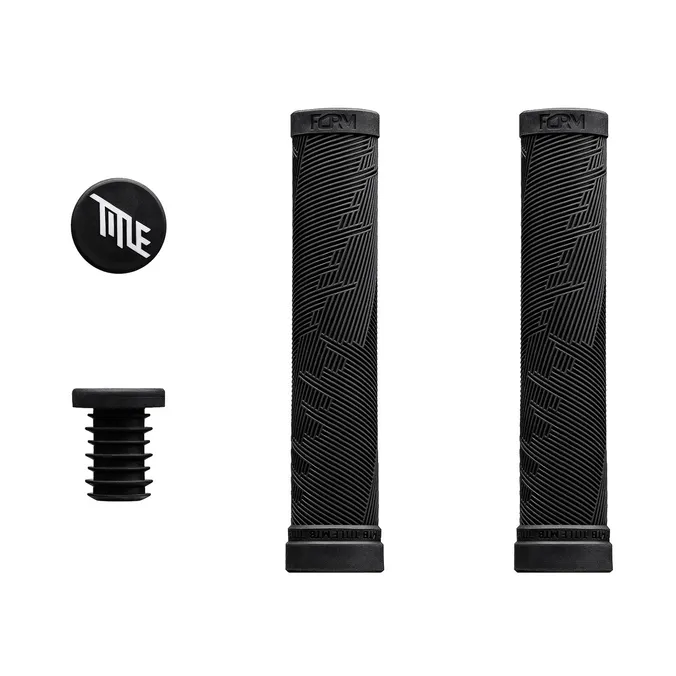
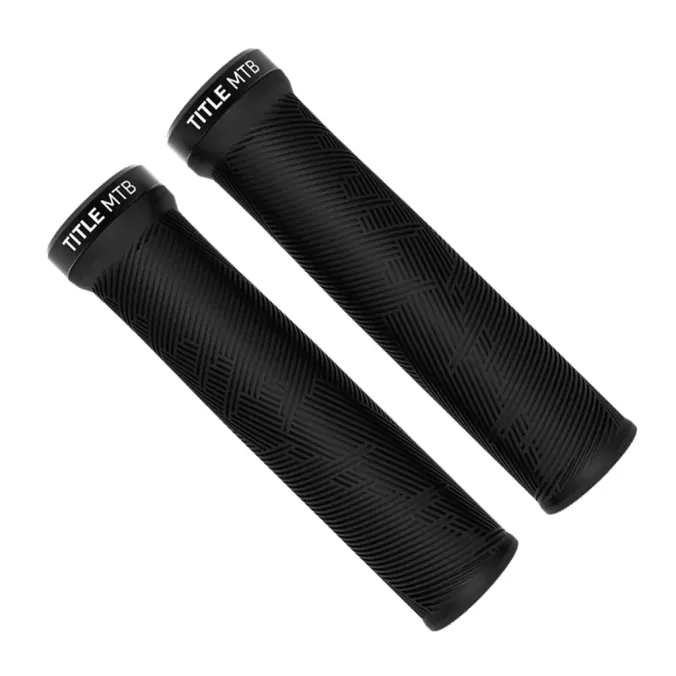
Title FORM Grips
$23.00
OneUp Thick Grips
$33.00
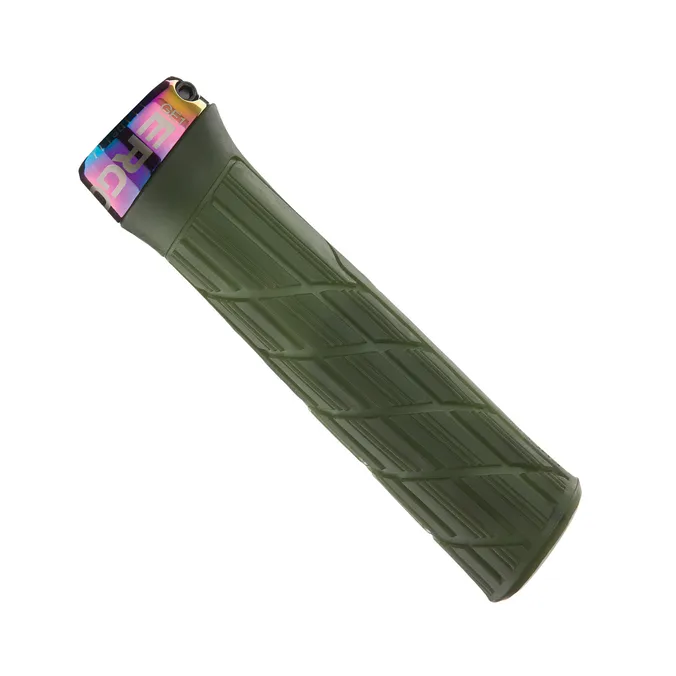
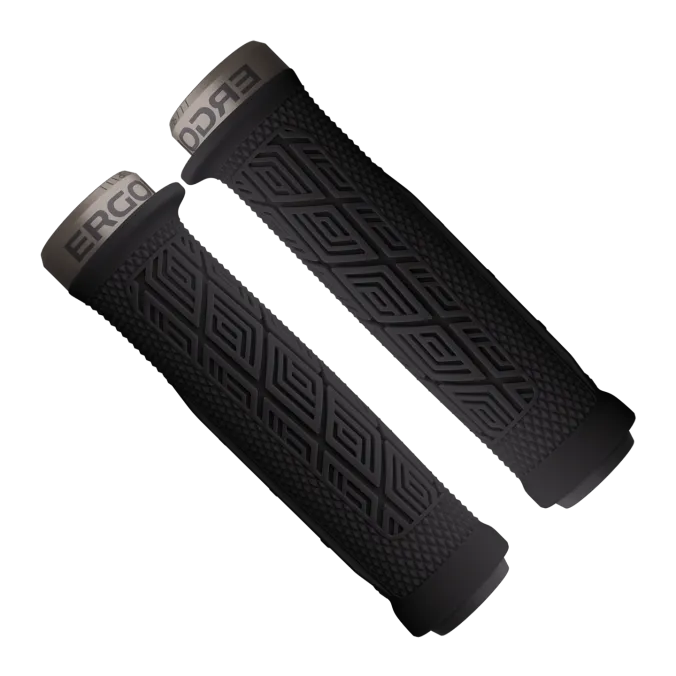
Ergon GE1 Evo Grips
From
$55.00
OneUp Goldstone Lock-On Grip
$37.00
- Up to 10% OFF
Sensus Swayze - Sans Flange Lock On Grips
From
$45.00
$50.00
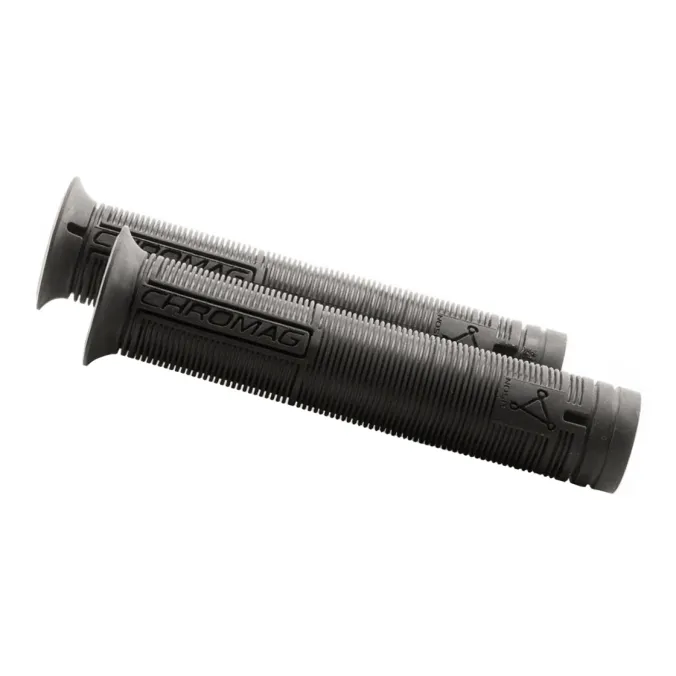
Chromag Wax Grips
$22.00
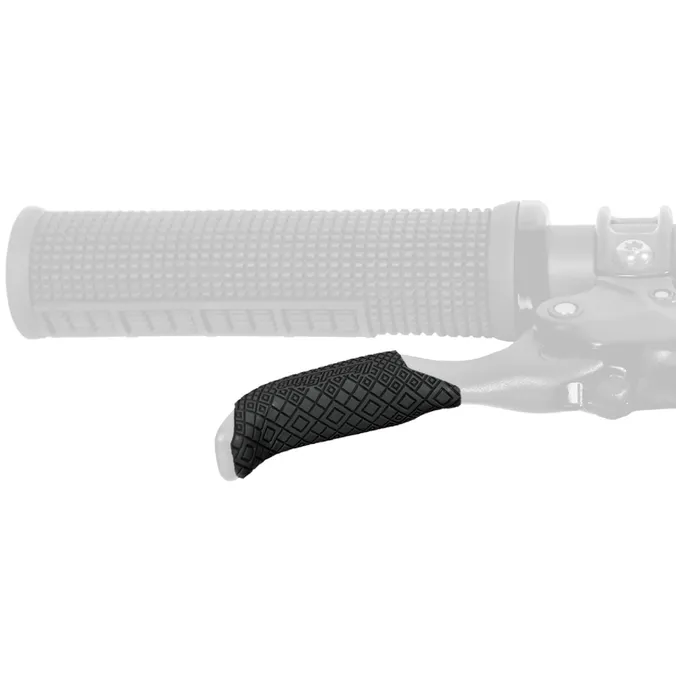
Lizard Skins DSP Brake Lever Grip
$20.00
- New
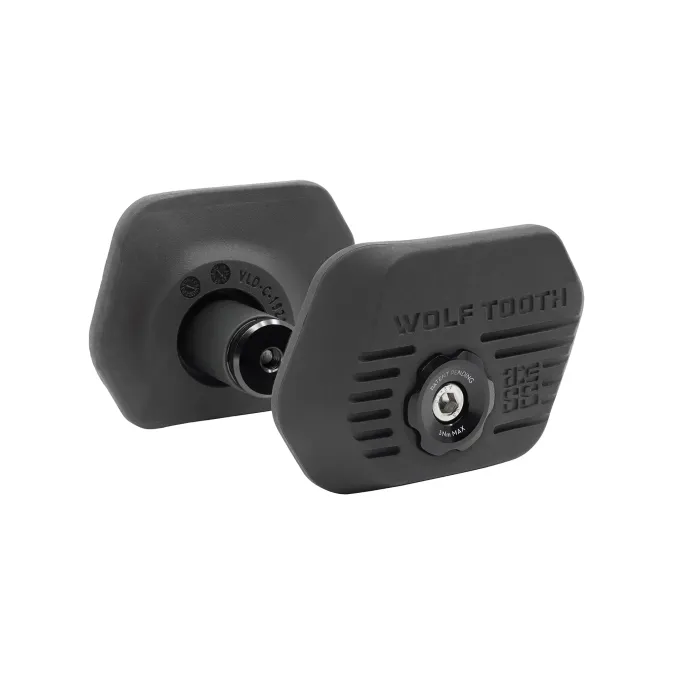
Wolf Tooth Locked-In Bar Ends
$65.00
- 5% OFF
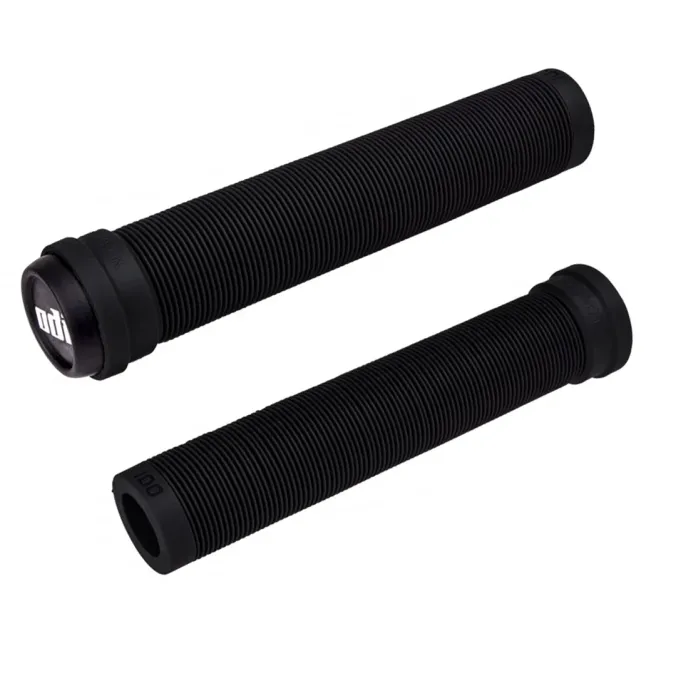
ODI Longneck SLX Grips Black
$20.00
$21.00
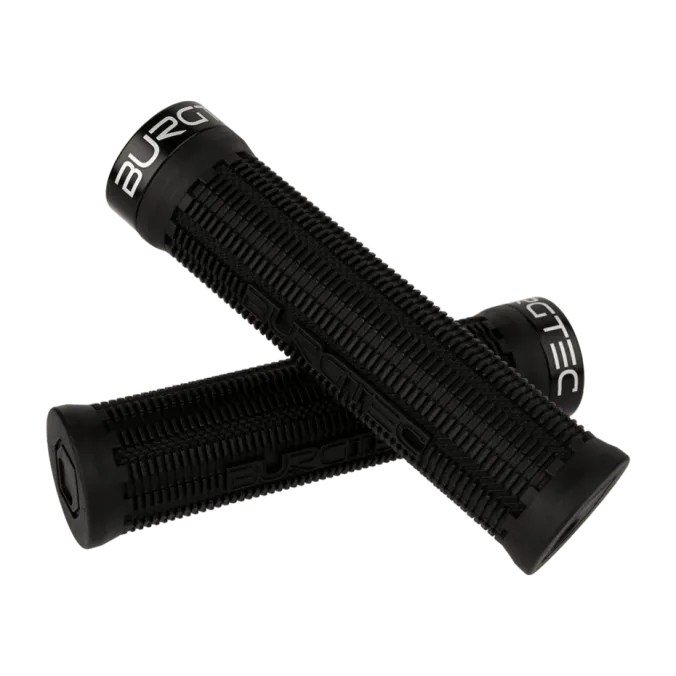
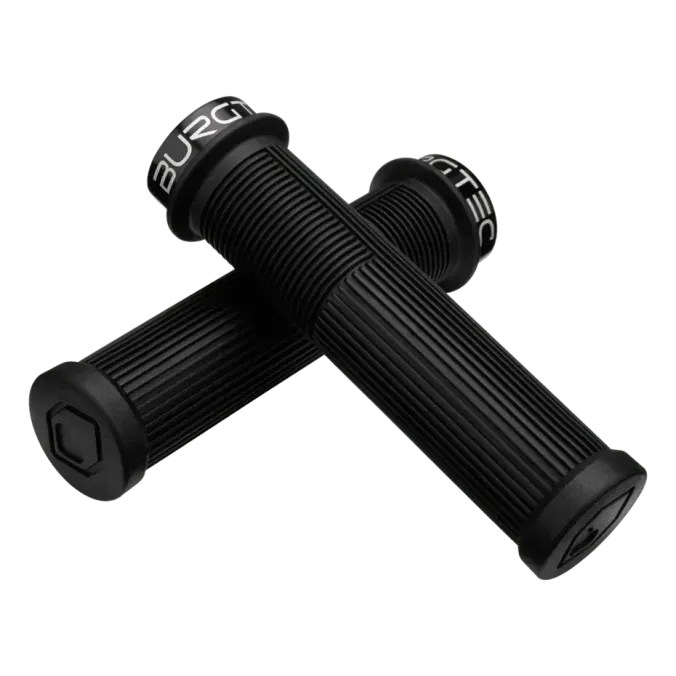
Burgtec Bartender Pro Greg Minnaar Signature Grips Black
$43.00
- Staff Picks
Ergon GDH Team Grips
From
$70.00
Title FORM Lock-On Grips
$40.00
DMR Deathgrip Soft Flanged Grips
From
$40.00
Ergon GXR Grips
$40.00
Ergon GDH Fat Grips
$70.00
ODI Longneck V2.1 Grips 135mm Black
$46.00
Sensus DISISDABOSS! Lock On Grips
From
$50.00
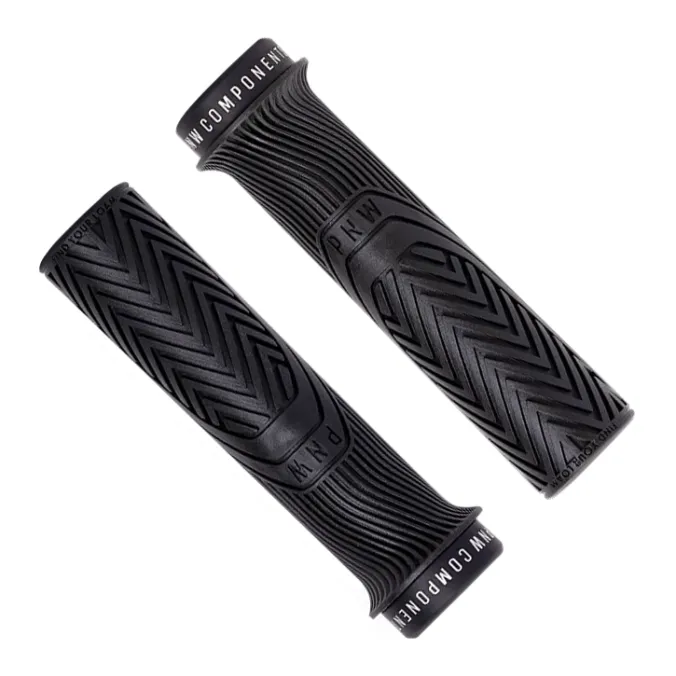
PNW Loam Grips
$40.00
OneUp Thin Grips
$33.00
Wolf Tooth Fat Paw Grips
$45.00
Burgtec Bartender Pro Josh Bryceland Signature Grips
From
$43.00
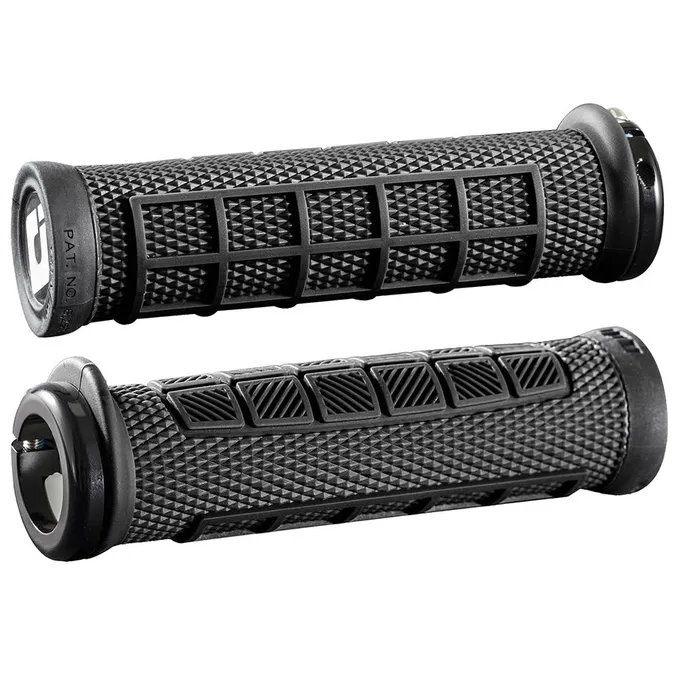
ODI Elite Pro Grips 130mm
From
$42.00
Mountain Bike Grips
How to Choose the Right Mountain Bike Grips
Mountain bike grips are one of the simplest ways to change how your bike feels. The right pair can give you better control, reduce hand fatigue, and make long or rough rides more comfortable.
The best grip for you depends on how you ride, the size of your hands, how much cushioning you prefer, and whether you want a traditional slip-on grip or the more secure fit of a lock-on design.
Below, we've broken down the main types of mountain bike grips and what to look for when choosing them.
Choosing MTB Grips for Your Riding Style
Trail, Enduro & Downhill MTB Grips
Trail, enduro, and downhill riders generally want a grip that feels secure and predictable when the riding gets rough. Grip shape, diameter, rubber compound, and texture all affect how connected your hands feel to the bike.
Cushioning is another part of the equation, but more isn't necessarily better. A softer or thicker grip can take some of the edge off trail vibration, while a thinner or firmer grip can give you a more direct feel at the handlebar. The right balance comes down to personal preference, hand size, and how you ride.
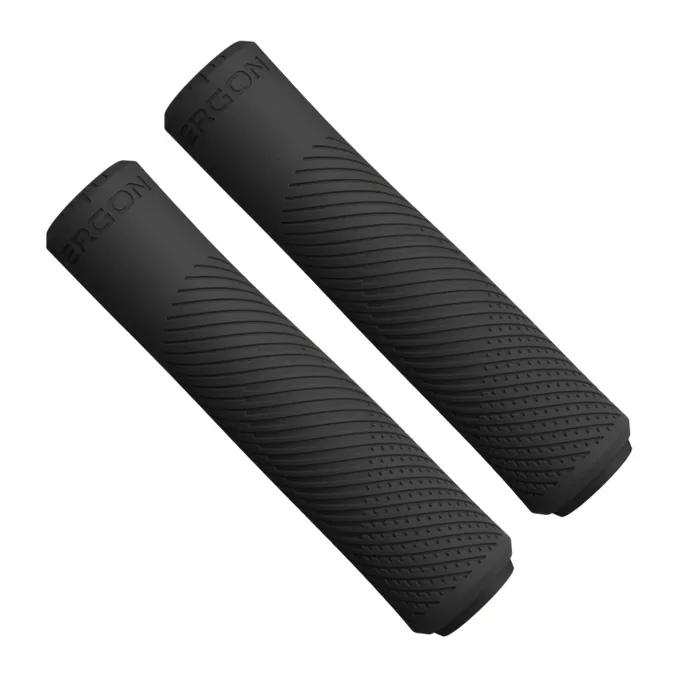
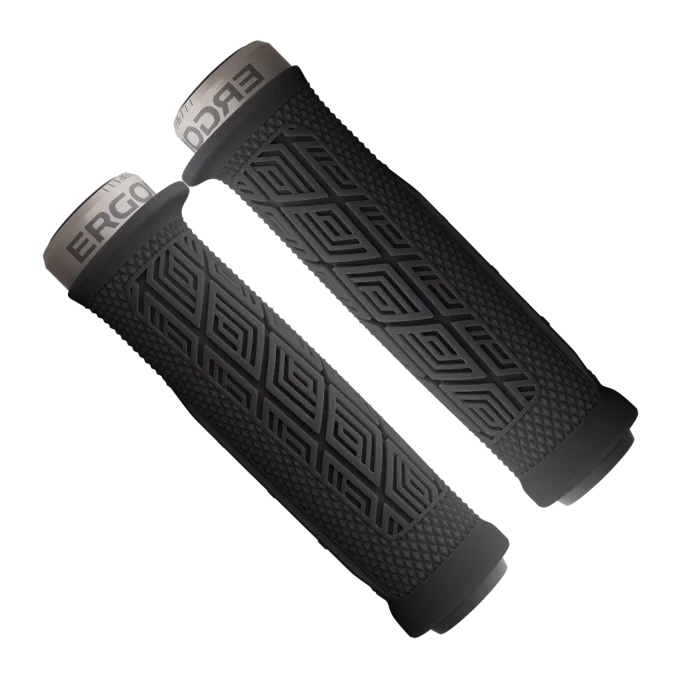
The Ergon GE1, PNW Loam Grip, DMR DeathGrip, and Ergon GDH are all designed with aggressive trail riding in mind, with different shapes, textures, and compounds to suit different preferences.
Rather than choosing a grip based on cushioning alone, consider how the grip feels in your hands and whether its diameter, texture, and shape give you the control you want on the trail.
Foam MTB Grips
Foam grips are a lightweight option that can work particularly well for cross-country and longer-distance riding. Their soft construction helps reduce vibration without adding much weight to the bike.
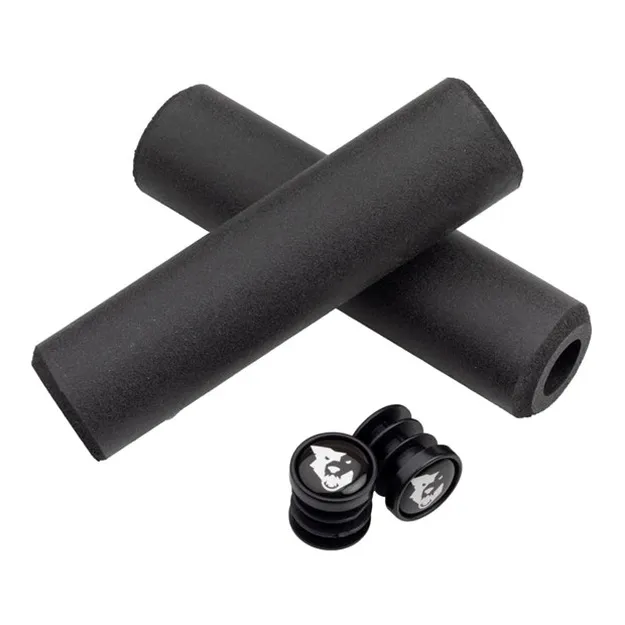
The Wolf Tooth Razer Grip is a lightweight option for riders who want additional comfort without the bulk of a thick rubber grip. Foam can also be a good choice for riders who find metal handlebars particularly uncomfortable in colder conditions.
Lock-On MTB Grips
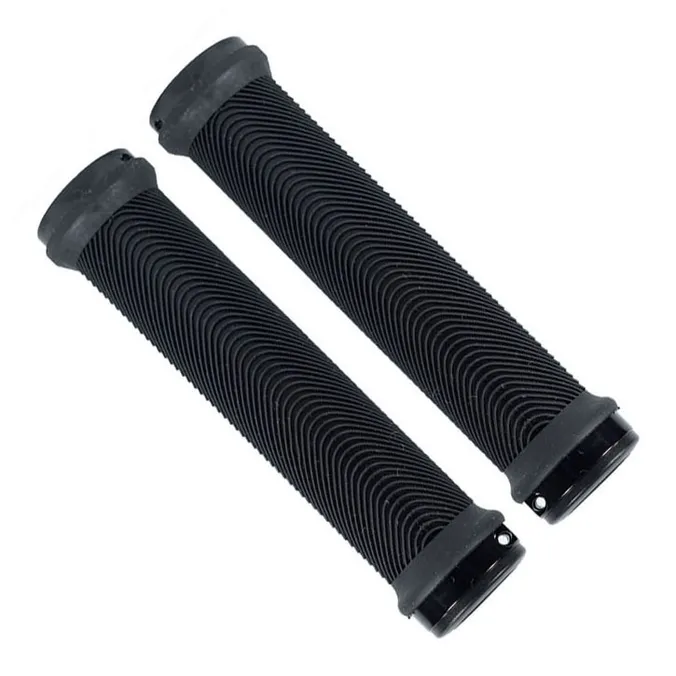
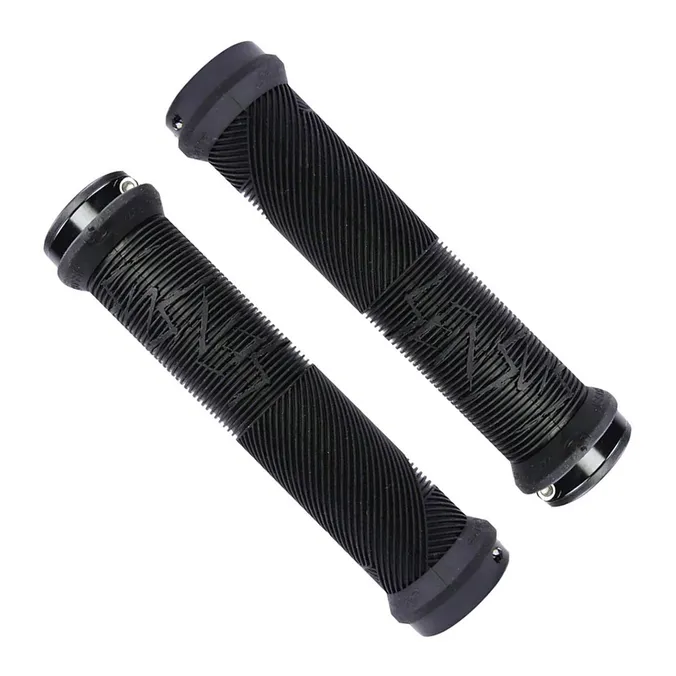
Lock-on grips use collars that clamp directly to the handlebar, keeping the grip from rotating or sliding during aggressive riding. They are also easy to remove when it's time to replace or adjust them.
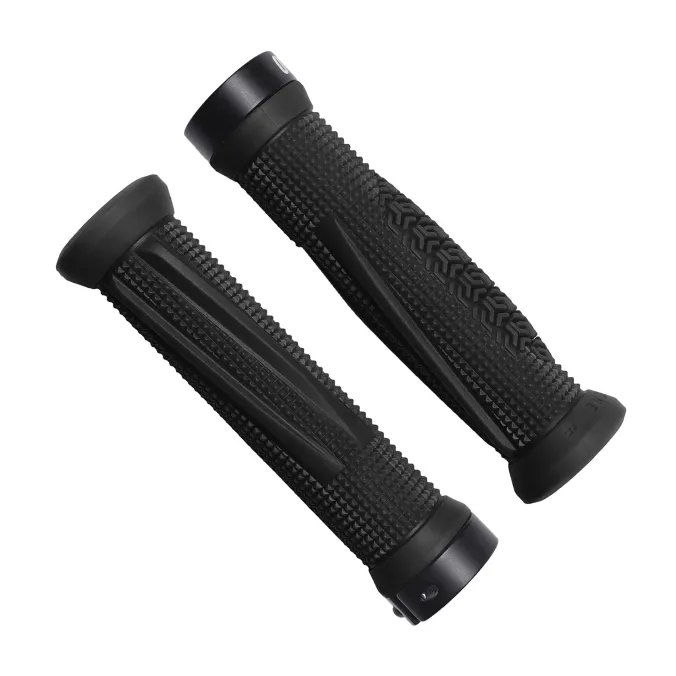
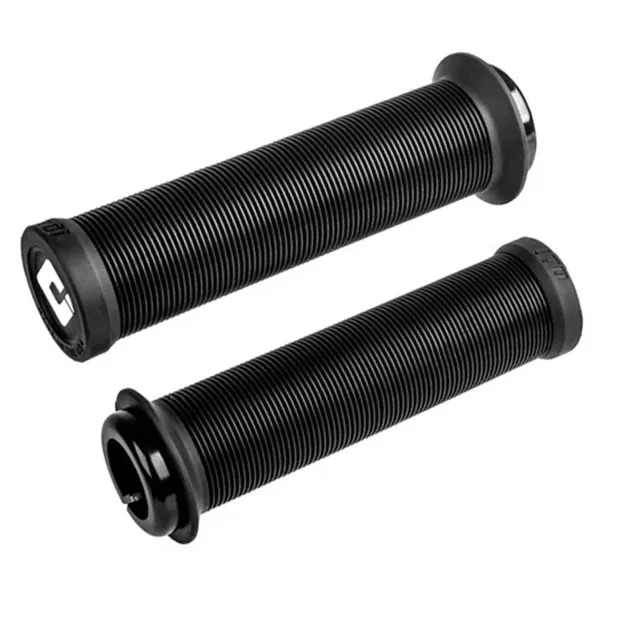
ODI Elite Pro Grips are a popular option for riders who want a secure fit and straightforward installation.
MTB Grips for Large Hands
Grip diameter can make a noticeable difference if you have larger hands. A grip that's too thin can require you to squeeze the bar harder, which may contribute to hand and forearm fatigue over a long ride.
Thicker options such as the OneUp Thick Grip and Sensus Meaty Paw provide additional material under your hands and can be a better fit for riders who prefer a larger diameter.
MTB Grips for Hand Numbness and Vibration
If your hands regularly go numb while riding, your grips are one part of the setup worth looking at. Grip thickness, compound, bar position, gloves, suspension setup, and riding position can all affect how much vibration reaches your hands.
The Rev Grips Lock-On Grips use a suspension-based design intended to reduce the amount of high-frequency vibration transferred through the handlebars. They can be worth considering for riders who prioritize vibration reduction and comfort.
Lock-On vs. Slip-On MTB Grips
The two most common grip designs are lock-on and slip-on.
Lock-on grips clamp to the handlebar with one or two locking collars. They are quick to install, don't rotate once tightened correctly, and are particularly popular for trail, enduro, and downhill riding.
Slip-on grips slide directly onto the handlebar and are held in place by friction and, depending on the grip, adhesive or grip glue. They tend to be lighter and can offer a slightly different feel from a lock-on grip.
Neither design is automatically better. The right choice comes down to the feel you prefer and how easy you want the grips to be to install and replace.
How to Install MTB Grips
Installing new grips is relatively simple, but they need to be secure before you ride.
- Removing Your Old Grips
For lock-on grips, loosen the clamp bolts with the appropriate Allen key and slide the grips off the handlebar.
For slip-on grips, you may need to work rubbing alcohol or soapy water underneath the grip to help loosen it. Avoid damaging the handlebar while removing a stubborn grip.
- Clean the Handlebars
Before installing the new grips, clean the handlebar and remove any dirt, old adhesive, or residue. Make sure the bar is dry before installing the new grips.
- Install the New Grips
For lock-on grips, slide the grip into position, set the angle to your preference, and tighten the clamp bolts to the manufacturer's specified torque.
For slip-on grips, use the installation method recommended by the grip manufacturer. Some grips can be installed with rubbing alcohol, while others require grip glue or another adhesive.
Allow any adhesive to cure fully before riding.
- Check the Grips Before Riding
Once installed, check that both grips are secure by rotating as hard as you can. A lock-on grip should not rotate when properly tightened, and a slip-on grip should be firmly seated on the handlebar.
It's worth giving them another check before your first ride, particularly if you've used adhesive during installation.
What Makes a Good Mountain Bike Grip?
There isn't one grip that's right for every rider. When choosing MTB grips, consider:
- Diameter: Thicker grips can suit larger hands or riders who prefer more cushioning, while thinner grips can provide a more direct feel.
- Compound: Softer rubber generally provides more cushioning and traction, while firmer compounds can feel more precise and may last longer.
- Texture: The tread pattern affects how securely your hands stay connected to the bar, particularly when riding without gloves or in wet conditions.
- Cushioning: More padding can reduce vibration and fatigue, but too much can make the bike feel less connected.
- Lock-on design: Lock-on grips are easy to install and remove and are less likely to rotate during aggressive riding.
- Weight: Weight-conscious XC riders may prefer lightweight grips, while riders focused on downhill or enduro performance may prioritize cushioning and durability.
Find the Right MTB Grips for Your Bike
The best mountain bike grips are the ones that match your hands, riding style, and preferred level of cushioning and control. Whether you're looking for lightweight foam grips for XC, thick grips for larger hands, or a secure lock-on grip for enduro and downhill riding, choosing the right diameter, compound, and texture can make a noticeable difference on the trail.